What to Check When Buying a Used Car
Purchasing a used car can be a practical and economical decision, but it also comes with a degree of uncertainty regarding the vehicle’s true condition. Unlike buying new, a used car comes with a history of previous ownership, usage patterns, and potential wear. Therefore, a thorough inspection before committing to a purchase is a critical step. This article provides a structured checklist covering key areas such as the engine, transmission, brakes, tires, and body integrity. By understanding what to examine and how to assess each component, buyers can make informed decisions and minimize the risk of unforeseen issues.
The process of evaluating a used car involves multiple layers of observation and investigation. Some aspects can be assessed visually, while others require a test drive or a professional mechanic’s judgment. It is advisable to approach the inspection systematically, starting from the outside and moving inward, and to combine the findings from various checks into an overall picture of the vehicle’s health. Remember that no single indicator is definitive; it is the combination of factors that provides a comprehensive view of the vehicle’s condition. This guide aims to empower you with the knowledge to conduct such an evaluation effectively.
Engine Condition: Beyond the Surface
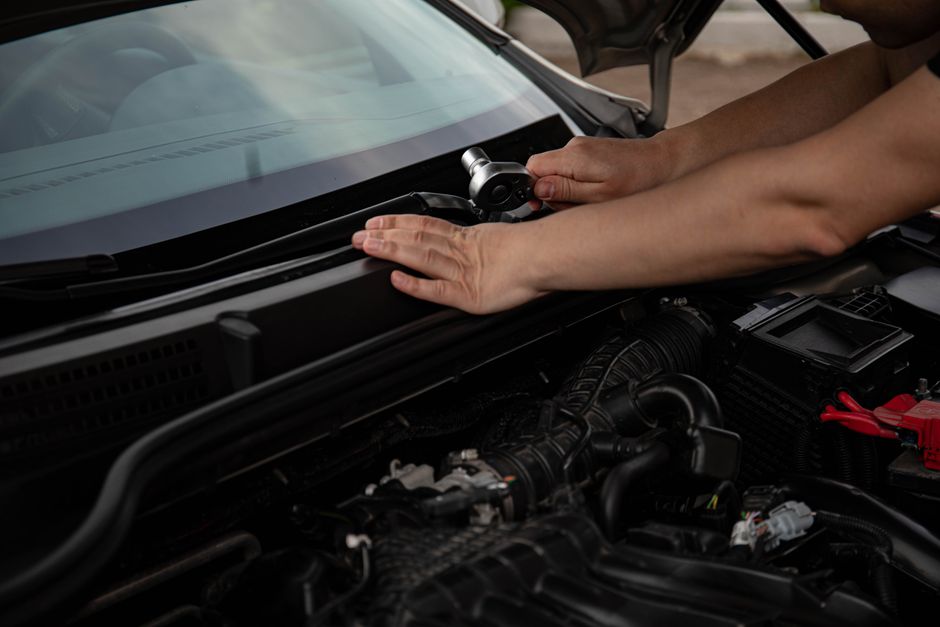
The engine is often considered the heart of the vehicle, and its condition can be a major determinant of future reliability. When inspecting the engine, start with a visual examination of the engine bay. Look for signs of oil leaks, such as dark, wet stains on the engine block or surrounding components. A small amount of seepage might be acceptable, but significant leaks can indicate worn seals or gaskets that may lead to costly repairs. Check the oil level and condition using the dipstick. Clean oil that is at the proper level is a good sign; if the oil is excessively dirty, sludgy, or smells burnt, it may indicate a lack of maintenance or internal issues.
Pay attention to any unusual noises when the engine is running. A smooth, consistent idle with no knocks, ticks, or rattles is preferable. If possible, listen to the engine both when starting it cold and after it has warmed up. Also, inspect the condition of the belts and hoses for cracks, fraying, or signs of wear. These components are relatively inexpensive to replace but can cause significant problems if they fail. Additionally, check the coolant reservoir for proper levels and any signs of contamination, such as oil film or rust particles. A coolant that appears oily could indicate a compromised head gasket.
It is also wise to inspect the engine’s performance during a test drive. Accelerate smoothly and notice if there is any hesitation, stalling, or excessive vibration. A vehicle that struggles to accelerate or misfires could have underlying issues with the fuel system, ignition, or internal components. Furthermore, check the exhaust for excessive smoke. Blue smoke often indicates oil burning, while white smoke might suggest a coolant leak. Although some condensation is normal, persistent smoke is a red flag. Remember that while some issues are immediately apparent, others may require a professional inspection to detect.
Transmission and Drivetrain: Smooth Power Delivery
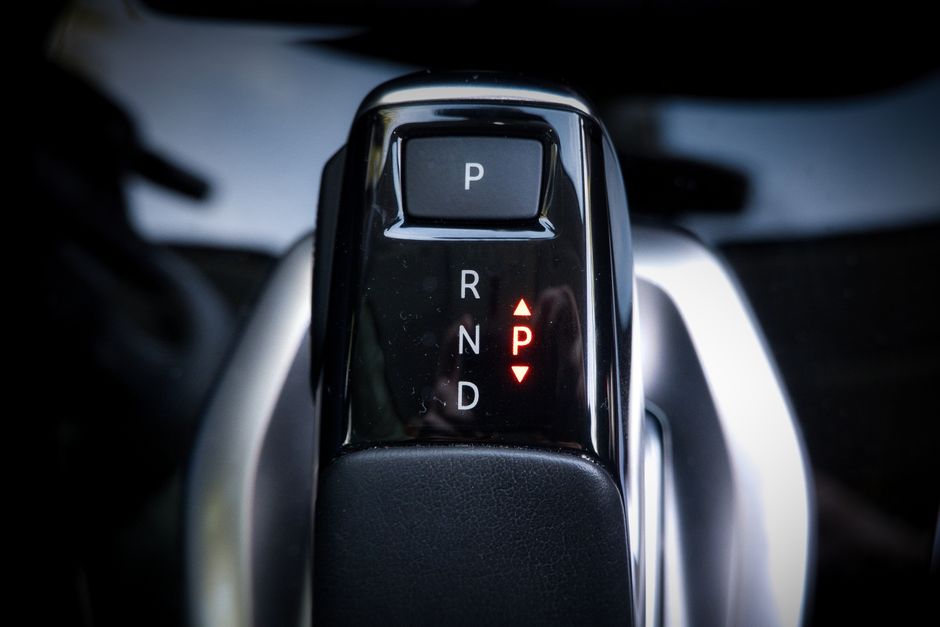
The transmission is responsible for transferring power from the engine to the wheels, and its proper operation is essential for vehicle performance and safety. When checking a manual transmission, feel the clutch pedal for smooth engagement. It should not be too hard or too soft, and the vehicle should not slip when releasing the pedal. Test the gear changes while driving through all forward gears and reverse. Gears should engage without grinding or resistance, and the vehicle should not pop out of gear. For automatic transmissions, ensure that the shift from park to drive or reverse is smooth and not harsh. The transmission should shift through gears at appropriate times, and you should not notice any sudden jolts or delays.
Inspect the transmission fluid level and condition. On many vehicles, there is a dipstick to check the automatic transmission fluid. The fluid should be a pinkish or reddish color and have a slightly sweet smell. If it appears dark, brown, or smells burnt, it may indicate overheating or worn internal components. For manual transmissions, the fluid is often checked from under the vehicle, but a professional can assess its condition. Leaks around the transmission case or seals are also a concern, as low fluid levels can lead to serious damage.
The drivetrain, which includes components like the driveshaft and axles, also deserves attention. Listen for clicking or grinding noises during turns, which could indicate worn CV joints. Vibrations while driving at certain speeds might suggest issues with the driveshaft or wheel bearings. These components are important for vehicle stability and safety. While some minor drivetrain noise might be normal, any unusual sounds or vibrations should be thoroughly investigated. A comprehensive test drive on various road surfaces, including a highway, can help reveal these issues.
Brakes and Tires: Safety and Grip
Brakes and tires are fundamental to vehicle safety, and their condition directly affects your ability to stop and maintain control. Begin by checking the brake pedal response in a safe area. The pedal should feel firm and not sink to the floor when pressed. Soft or spongy brakes may indicate air in the brake lines or a problem with the master cylinder. Also, listen for any grinding, squealing, or vibration when applying the brakes. These could be signs of worn brake pads, damaged rotors, or other issues. In a parked vehicle, inspect the brake pads through the wheel spokes, if possible. They should have sufficient thickness; if you see less than a quarter-inch of pad, they may need replacement soon.
Tires are equally important, as they provide the only contact between the vehicle and the road. Inspect the tread depth using the penny test: insert a penny into the tread with Lincoln’s head down; if you can see the top of his head, the tread is too shallow. Also, look for uneven wear patterns, such as bald spots or excessive wear on one edge, which can indicate alignment or suspension problems. Check the tire sidewalls for cracks, bulges, or cuts. Properly inflated tires are crucial; check the pressure with a gauge when the tires are cold. While the spare tire might be in the trunk, ensure it is in good condition and has the correct pressure as well.
When test driving, pay attention to how the vehicle handles braking from different speeds. The vehicle should stop in a straight line without pulling to one side. If it pulls, there may be a brake caliper issue or an alignment problem. Similarly, note any steering wheel vibration during braking, which could indicate warped rotors. A thorough check of tires and brakes can reveal not only the condition of these components but also underlying issues with the suspension and alignment.
Body and Frame: Hidden Damage and Corrosion
The condition of the body and frame determines not only the vehicle’s appearance but also its structural integrity and safety in a collision. Start by walking around the vehicle and inspecting the paint for inconsistencies, such as mismatched colors, overspray, or dents. These could be signs of previous repairs, which might have been minor or could point to more serious accident damage. Look closely at the gaps between body panels; they should be uniform. Uneven gaps might indicate that the body has been poorly repaired or that the frame is bent.
Check for rust, especially in areas that are prone to corrosion, such as the wheel wells, door sills, and under the vehicle. Surface rust may be cosmetic, but rust that has eaten through metal can compromise structural strength. Use a small magnet to test for bondo or filler in the body panels; the magnet should stick firmly to clean metal. If it does not stick in certain areas, there may be a thick layer of filler, indicating significant previous damage. Also, examine the condition of the glass, including the windshield for chips or cracks, as these can worsen over time.
Inspecting the undercarriage is challenging without a lift, but you can look for fresh rust or fluid leaks while lying on your stomach. Major rust on the frame, especially in critical areas like the suspension mounting points, can be dangerous. Additionally, check the condition of the suspension components, such as shocks and struts, by pushing down on the corners of the vehicle. It should rebound smoothly without excessive bouncing. Any signs of leaking fluid from shocks may indicate deterioration. While a professional inspection is recommended for a thorough evaluation of the frame and undercarriage, a basic visual check can raise red flags.
Documentation and Vehicle History: The Paper Trail
Beyond the physical inspection, reviewing documentation and vehicle history provides valuable context. Obtain the vehicle identification number (VIN) and run a vehicle history report, which can reveal title issues, prior accidents, mileage discrepancies, and maintenance records. Such reports are not exhaustive, but they can point out major incidents that are otherwise hard to detect. Also, request maintenance records from the seller. A well-documented service history is a positive indicator of care, while a lack of records might not be a deal-breaker but can increase uncertainty.
When reviewing the title, ensure it is clear and in the seller’s name. A salvage or rebuilt title often indicates that the vehicle was declared a total loss by an insurance company, and although it might be repairable, it carries a higher risk. Be cautious of title washing, which involves moving a vehicle to a state that resets the title branding. If possible, verify the odometer reading with service records or state inspection records to ensure it is accurate.
Having a pre-purchase inspection performed by a trusted mechanic is a prudent step, as they can detect issues that are not visible to the average buyer. This inspection is especially useful for identifying hidden problems in the engine, transmission, and suspension. While it adds an upfront cost, it can save you from significant expenses later. Ultimately, the decision to purchase should be based on a combination of the physical inspection and the vehicle’s history. Remember that even with a thorough inspection, there is always some degree of uncertainty with a used vehicle, and future performance is not guaranteed.
Ultimately, a meticulous inspection serves as a form of due diligence, allowing you to enter the transaction with a clearer understanding of the vehicle’s condition and a lower likelihood of unpleasant surprises.
In summary, buying a used car involves balancing desire with due diligence. By systematically evaluating the engine, transmission, brakes, tires, body, and documentation, you gain a multi-faceted view of the vehicle’s state. This process is not about finding a perfect car, but about identifying potential concerns and factoring them into your decision. While no inspection can eliminate all risks, it can significantly reduce them, helping you to make a well-informed purchase that aligns with your needs and expectations.